Websites
Linlithgow: a website for locals and palace visitors
Linlithgow businesses serve two crowds: locals and visitors to the palace and loch. What a website for a High Street cafe, shop or B&B needs to do for both.
 Ben Harvie5 min read
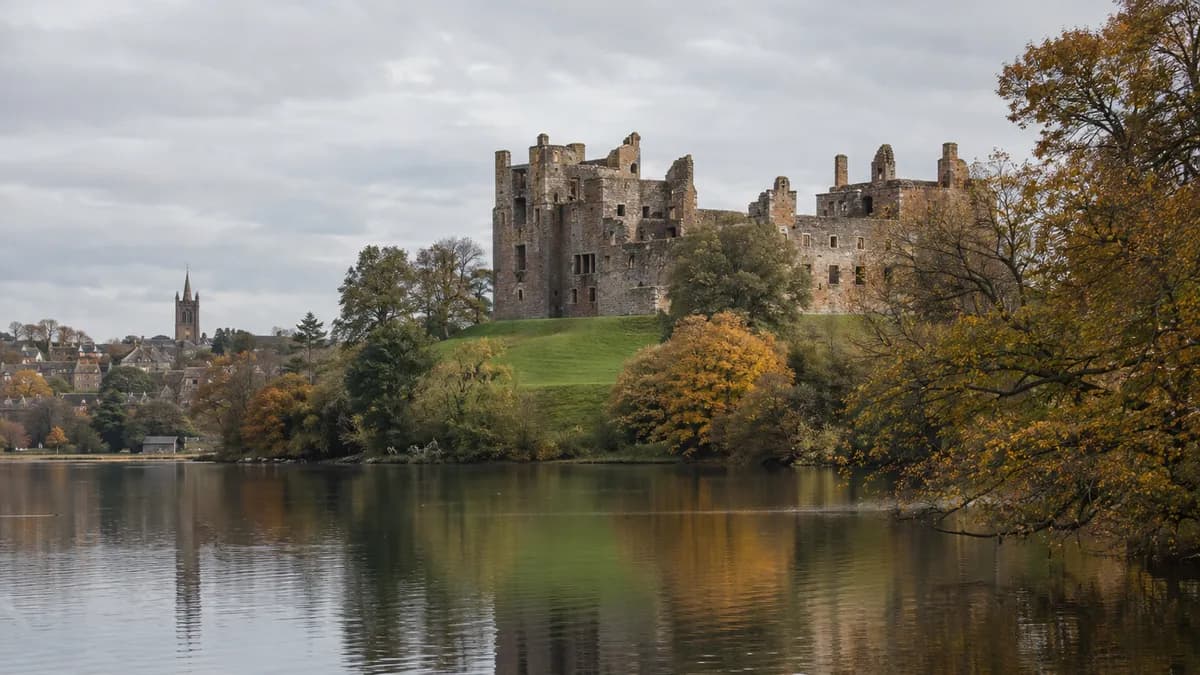
Linlithgow is one of the handsome old towns of West Lothian. The palace where Mary Queen of Scots was born stands above the loch, the High Street runs along below it with its independent shops, cafes, pubs and restaurants, and the Union Canal passes along the south side of town. It is a direct train from Edinburgh or Glasgow, which brings in commuters in one direction and day trippers in the other.
That gives Linlithgow businesses an unusual mix of customers. On a weekday morning the cafe on the High Street is full of locals. On a Saturday afternoon in summer it is full of visitors who have just walked round the palace and want lunch. Those two groups want quite different things from a website, and a lot of local sites only serve one of them.
Two crowds, two sets of questions
A local regular already knows where you are and what you sell. What they want from your website, if they visit it at all, is what is new: a new menu, a seasonal range, a late opening at Christmas, an event in the back room.
A visitor knows nothing. They have probably found you on a phone, on the map, standing on the High Street or sitting on the train. They want to know what you are, whether you are open right now, whether they can get a table without booking, where to park, and how far you are from the palace. They will decide in seconds.
The good news is that one clear website can serve both. The trick is putting the visitor's questions at the top, because the local will scroll down and the visitor will not.
What the top of the page should say
On a phone, the top of the page is everything a visitor will see before deciding. For a Linlithgow cafe, shop or B&B, it should answer these in plain words.
- What you are. "An independent bookshop on the High Street" or "a family cafe two minutes from the palace". One line, no slogan.
- When you are open. Today's hours, or the week's hours, as numbers.
- Where you are. The address written out, plus how to find it from the palace or the station.
- Whether to book. And if so, a way to do it on the phone.
- A phone number that rings when tapped.
Everything else can come below: the menu or the range, the story of the business, the photos of the building, the events. Locals will find it. Visitors will not miss it.
Directions, parking and the station
Visitors to Linlithgow often arrive by train, and plenty of others drive in on a busy weekend and then struggle to park. A short paragraph on your site saying "five minutes' walk from the station, turn right onto the High Street" or "the nearest car park is two minutes away, and here is how to find it" saves a lot of people a lot of bother. Only write what you have checked, and keep it up to date if anything changes.
A map on the page is useful, but on its own it is not enough. A map does not tell anyone that your door is up a close, or that you are upstairs, or that step-free access is round the side. A sentence does.
Photos of the real place
Visitors choose where to eat and shop from photos, and in a town as photogenic as Linlithgow it is tempting to fill a website with pictures of the palace and the loch. Resist it. The visitor has just seen the palace. What they want to see is your counter, your tables, your shelves and your front door, so they know what they are walking into and can spot it from across the street.
Real photos taken on a decent phone on a bright day are fine. Stock pictures of smiling strangers drinking coffee are worse than none, because they tell the visitor nothing about you.
The locals deserve something too
For the regulars, the most useful thing your website can do is be easy to keep up to date. A cafe that changes its specials every week, or a gift shop with a seasonal window, needs a way to change the site in five minutes from a phone, without ringing anybody.
That is one of the first things I ask about when building a site for a High Street business: who will update it, how often, and from what. A site that is lovely on the day it launches and wrong three months later does more harm than good. A site that the owner can update while waiting for the kettle stays right.
The same goes for opening hours on your Google Business Profile, the free listing that shows your opening hours, reviews and map pin. Change the website and the profile together, every time.
When you do not need a new website
Here is the unwelcome part. If you are on the High Street with a busy shopfront, your Google listing is complete with good recent reviews, and your current website loads quickly and answers the visitor's questions, you do not need a new one. Footfall and a good listing will do more for you than a redesign.
The same goes if your website is simply a little old-fashioned. A dated look does not, on its own, lose you customers. Wrong opening hours, a slow page or a missing phone number do. Fix those, and leave the rest.
A new site makes sense when the current one cannot be updated, does not work properly on a phone, or simply does not exist. Those are real problems, and they are worth solving. I wrote more on deciding whether to redesign, rebuild or leave it if you want to think it through.
Talk it through with me first
If you run a cafe, shop, B&B or restaurant in Linlithgow and you want to know whether your website is working for both your regulars and your visitors, I am happy to look at it with you. You can read how I approach website creation and redesign, and there is more on the rest of West Lothian on the Livingston page. Linlithgow is a direct train from Waverley, and the first conversation is free: book a free consultation (opens in a new tab).
Talk to Ben about website creation or redesign
Turns the people already searching for what you do into phone calls and enquiries, rather than losing them to a slow, unclear site.